Programmer/solution architect doing web and mobile development in this always changing environment of technology.
Trying to make sense and play catch-up with all the latest development stacks, whether it be web or mobility.
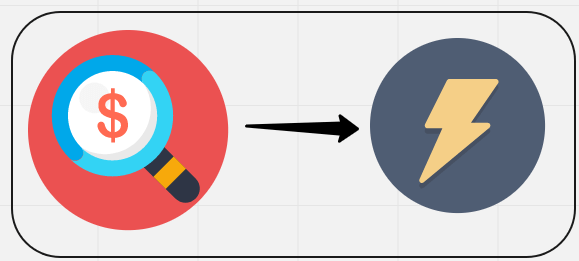
It’s made its way back in Svelte. It is used to make statements reactive.
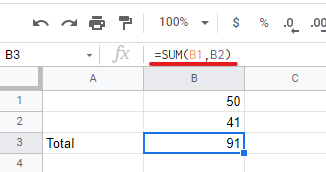
Reactivity is not new to software engineering, anybody with basics of Excel knows it.
For example this simple function below makes B3 react to changes in B1 or B2
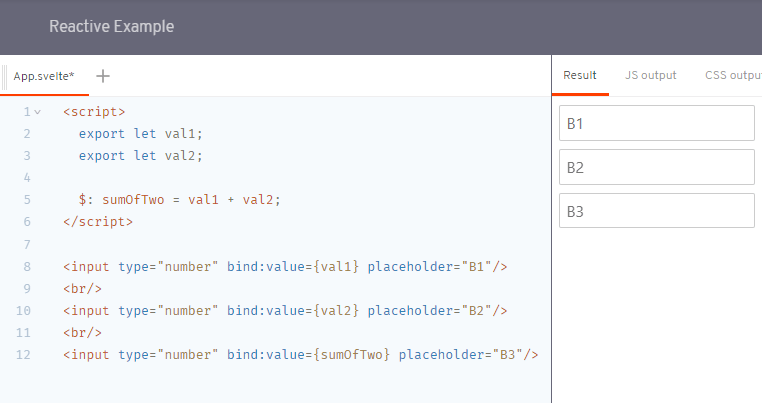
Here is a Svelte implementation of the same thing, notice line 5 and the usage of $: that makes sumOfTwo react to changes in val1 or val2. Internally Svelte is using JavaScript’s label syntax
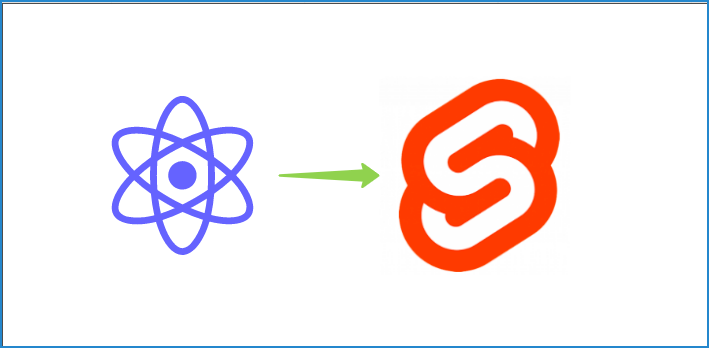
What I lost actually is some code, while translating an app from React to Svelte. Reducing the code size significantly, at the same time it made it simpler to read and reason about the code.
This is not going to be a comprehensive guide, explaining whether Svelte is better or React, there are many of them on the web already.
Two key aspects in which Svelte is different than React (or any other popular library)
Its a compiler, which turns your Svelte code into JavaScript/Html/CSS. So, unlike React, Svelte library is not actually shipped to the browser
Instead of dealing with virtual DOM, it directly deals with an actual DOM
Here is a sample app to compare
Few things you will notice here…
Svelte is directly dealing with HTML, so, unlike JSX there is no need to have a single root
No need to have a wrapper function
The explicit import isn’t required
State management is cleaner without hooks
This for a simpler component might not seem much. But the more complex the component gets, these benefits start making an impact on readability, size of the bundle and overall speed of the application.
So far, based on converting my hobby projects from React into Svelte(SvelteKit) it has been a great experience.
Hope this sparks your curiosity and inspires you to peek into the world of Svelte, now go write some code!
It always helps to know the background of a word, and how it made it into a software design pattern. Like most of the patterns, the bulkhead design pattern is also inspired from other more established engineering disciplines.
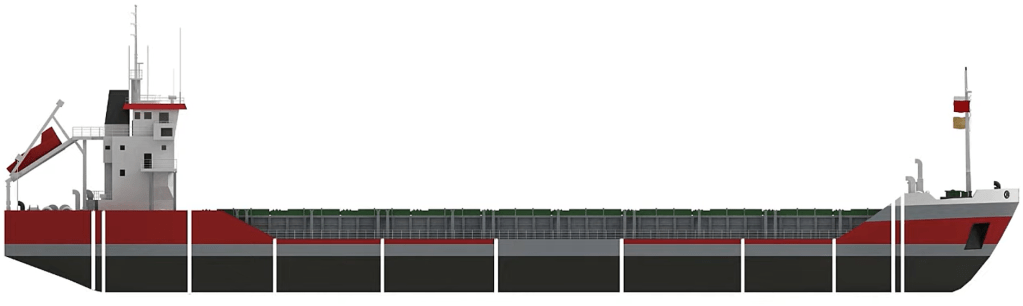
The ship you see above, with vertical lines dividing it, those are called bulkheads. These are some of the reasons ships are built that way (from Wikipedia)…
Increase the structural rigidity of the vessel
Divide functional areas into rooms
Create watertight compartments that can contain water in case of a hull breach or other leak.
Some bulkheads and decks are fire-resistant to achievecompartmentalization, a passive fire protection measure
Usage in Software
I believe that background makes it easier to understand Bulkhead design pattern in software.
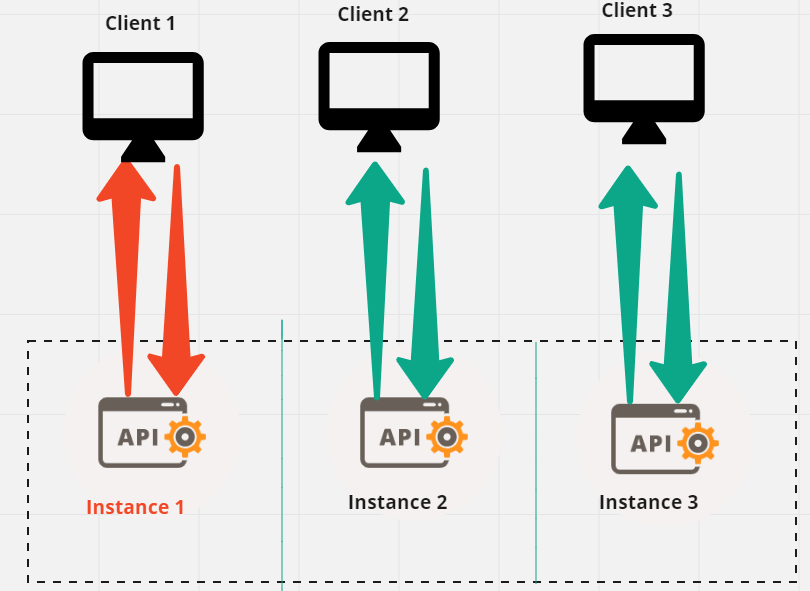
With modern microservices architecture many applications/services are broken into different domains. This makes adopting to this pattern easier. Look at the following example, how different instances of the same API are provisioned for different clients.
Failure in Client 1 instance has not affected the other clients.
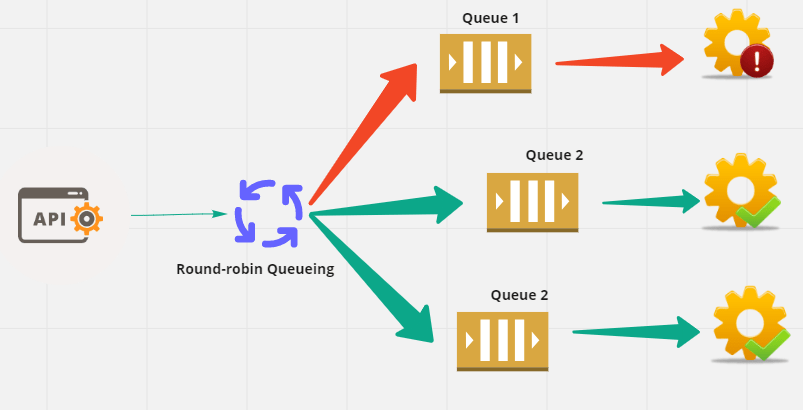
Another example where different processes are consuming messages from different instances of queues. Failure in one is not cascading and bringing down the whole system
Some would say this makes more sense in multi-tenant applications, where a tenant is using dedicated services in isolation. The whole concept comes down to the basic principle of isolation for resiliency. How you isolate resources varies based on the domain.
This device pictured above, part of all electrical systems(you hope so) has a feature to put a break in electricity supply if something goes wrong.
WHY: Wherever there is overcurrent or short circuit, this prevents further damage to the whole system.
In software the current flowing through the network is the data. If one of the service your app depends on is down or slow, retrying it could cause more damage than solve the problem.
As part of making your application resilient and keeping the relevant services healthy, usually two patterns of retry are clubbed together. Circuit Breaker and Exponential Backoff. In case of failure in service calls, following diagram explains how retry, exponential backoff and eventual circuit break looks like on a timeline.
Here it is re-trying a failing request four times, increasing the delay in calls each time, eventually giving up(break)
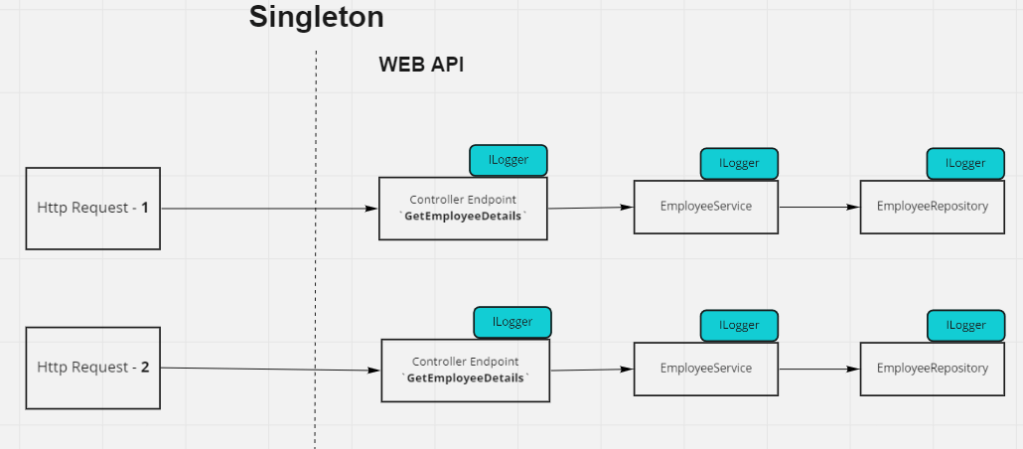
When adding dependencies in asp.net core project you will see three options
Transient
Scoped
Singleton
Just for my mental note, trying to document it with images
The scenario is very simple, maybe not a true real-world one but whatever gets the point across. There is only one endpoint in a controller, which then calls a service which eventually calls a repository. All these rely on ILogger
In each of these, the change in color indicates a new instance
Using software, there are so many different ways to solve a problem. Varying acronyms and technical terms to confuse you, specially when you need to discuss it with a non-technical stakeholder.
Let’s break it down and see if an analogy makes it any easier.
The requirement is to travel from point A to point B.
On-Premise is like building and maintaining your own car, you get the greatest control but it comes with total ownership cost as well.
IaaS (Infrastructure as a Service) you buy a car from a dealer and they offer you to maintain it with regular capped priced servicing.
PaaS (Platform as a Service) in this case you are leasing a car and making monthly payments, you don’t own the car but some responsibility of the car is still with you.
Serverless, you just rent a car, you do it when you need it and return it when you are done. If you end-up using it a lot, it might actually cost you more than PaaS
SaaS(Software as a Service) this case you don’t even want to drive, just call an Uber/Lyft whenever you need it, no ownership cost involved. Maybe this one doesn’t fit quite right, because thats not how most of the SaaS offerings work. Another way to think of it is like having a monthly bus pass.
But if you go into details of each of the analogies it might not align perfectly, which is ok.
The point is to use this for meaningful discussions with someone, where you cannot go into technical details.
It’s really about semantic HTML, sorry for the confusion. Confusion though is the keyword of this article. Imagine you walk into a clothing store, and sections are marked as head garments instead of hats, shirts are called upper-body garment, pants are called leg garments and socks are called feet garments, essentially everything is a garment. Very confusing indeed.
Now, if your HTML code looks something like below, you are creating a similar confusion for the browsers or any client trying to parse your html.
Just documenting another concept into a mental model.
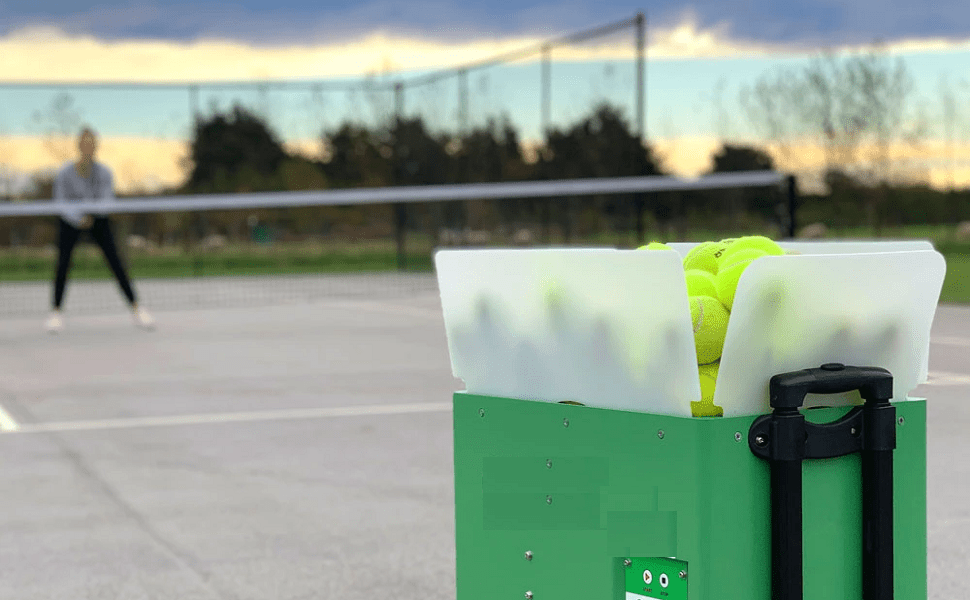
Imagine you are preparing for a game of tennis, but you don’t have any opponents to practice with. This is an external dependency.
How do you practice your game, you can’t bounce it of the wall, it will be predictable. An automatic tennis ball machine is what you need.
It will throw balls at you at varying speeds at different angles, much like a real player would. But a human opponent will still surprise you no matter how much you practice playing against a ball machine.
In Test Driven Development mocking frameworks are playing that exact same role, for example replacing an external API dependency. Hard coding values would be like bouncing the ball of a wall for tennis practice. Mock will provide you the ability but a real API at production still might have surprises for you.
I mainly work in .net and here are the tools I use to do testing…
This is not to provide you with any technical internals or implementation details, maybe just to establish a mental model. It might come handy when deciding what to use.
Imagine you are craving Pizza. You have three options…
Order from a pizza place that has preset pizza menu. No customization of size or toppings, that’s REST.
A pizza place that allows you complete customization of size and toppings, that’s GraphQL. Probably will be slower than REST.
The third option is a frozen pizza you have it in your fridge. You already bought the kind you like, that’s gRPC. This is the fastest way you will get your pizza.
And just like Pizza relies on dough, they all rely on HTTP



 ) has a feature to put a break in electricity supply if something goes wrong.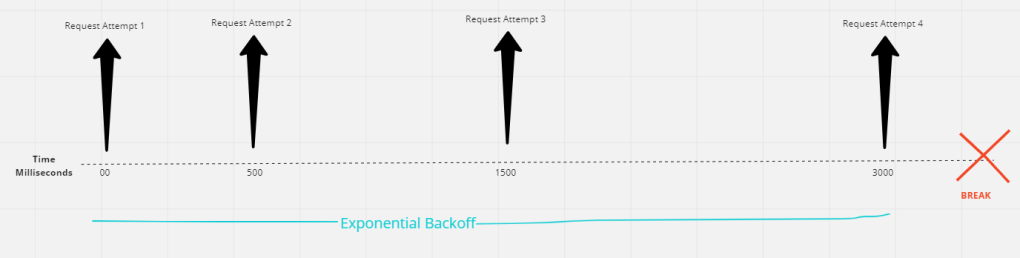






 TechSpark